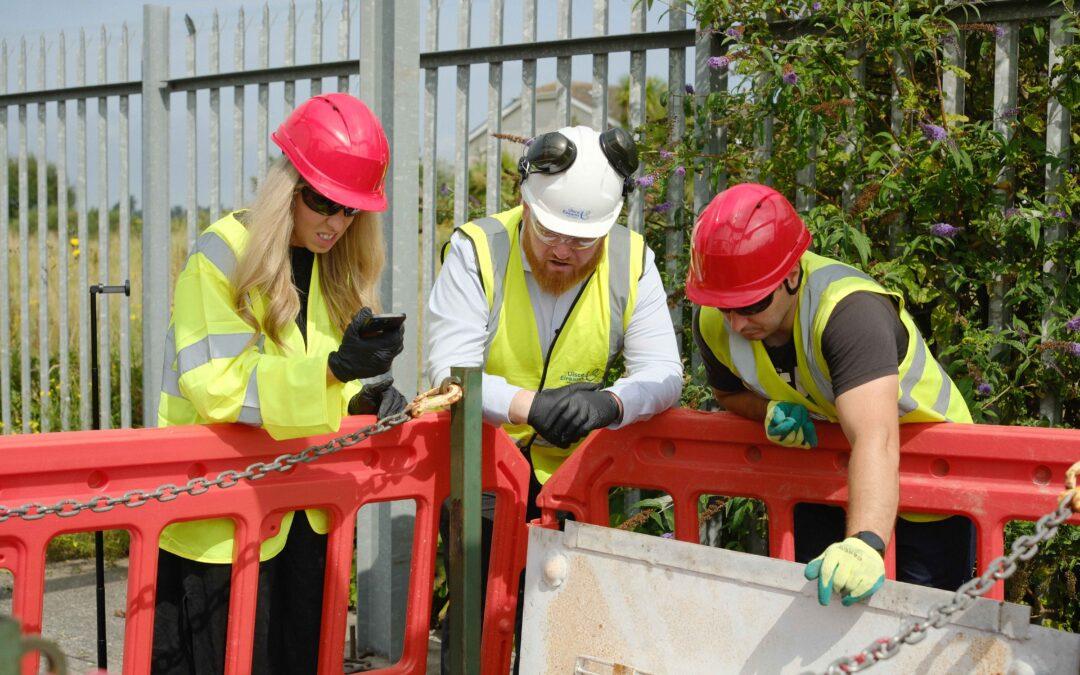
Do you know where the things you flush down the toilet end up? That’s the question Cork-born, Dublin-based “de-influencer Shannen Healy (_greengal) wanted to answer when she visited Portmarnock in August to open the lid on what’s lurking beneath our feet. So what did she find alongside lots of pee and poo? Sanitary pads and wet wipes where they really shouldn’t be, down in our plumbing damaging waste water networks and polluting the environment.
The “Think Before You Flush” campaign, operated by Clean Coasts in partnership with Uisce Éireann, emphasises the importance of appropriate flushing behaviour and disposal of items including wipes and other sanitary products in the bin, even if they are labelled as flushable. Many toiletries, such as wet wipes, cotton pads and dental floss, are part of the ‘Dirty Dozen’, which are the top 12 items that are incorrectly flushed down the toilet in Ireland. Other items include hair; paper towels; medicine; sanitary products; food items; contact lenses; condoms; cigarette butts; and cotton bud sticks. Only the 3 P’s, that’s pee, poo and paper should be flushed down the toilet, everything else should go into the bin.
When items such as wet wipes are flushed away, they can cause serious blockages in waste-water systems, causing sewage overflows and ultimately pollute our rivers, lakes, coastal waters and beaches. Uisce Éireann clears thousands of blockages from the wastewater network every month. That’s thousands of opportunities for us all to make a difference.
Uisce Éireann’s Head of Wastewater Operations, Nuala Woods, explained: “Shannen’s recent visit to Portmarnock Pumping Station is a perfect opportunity to highlight critically important environmental campaigns such Think Before They Flush. Items like wipes, cotton wool, cotton buds, plasters, sanitary waste, dental floss and even hair should never be flushed down the toilet because they can cause blockages in the wastewater network, pumping stations and wastewater treatment plants and can cause pollution. We all have a role in safeguarding our environment so remember that only pee, poo and paper should be flushed down the toilet, everything else goes in the bin.”
Patrick Cross, Think Before You Flush Campaign Officer at Clean Coasts, added: “While it might not be the prettiest sight, it’s really important to know where our waste goes and why we need to take care of our plumbing and sewers. The actions we take at home have an impact on the places we live and work in and the health and vitality of our natural spaces.”
Shannen Healy had this to say: “I’ve always been deeply curious about how everyday things we take for granted actually work. How does electricity reach our homes so we can switch on a light? How do we get clean water straight from the tap? Visiting the Portmarnock Pumping Station gave me the chance to lift the lid on this process and appreciate one of our most essential privileges- clean water. Even in the short time I was there, I was shocked by the number of items turning up in the system that should never have been flushed, sanitary pads, plastic wrappers, and plenty of other unpleasant things I won’t mention! I also heard about even stranger discoveries in the past: jeans, an air fryer, and countless wipes and sanitary products. Our waterways are circular: what goes down the drain will eventually come back to us. That’s why it’s so important to think about how we use them. By simply thinking before you flush, you’re already making a huge difference. Not only can you prevent blockages and avoid costly repairs at home, but you’ll also help protect the environment, keeping pollution out of our rivers, beaches, and oceans. It’s a small change that creates a big impact.”